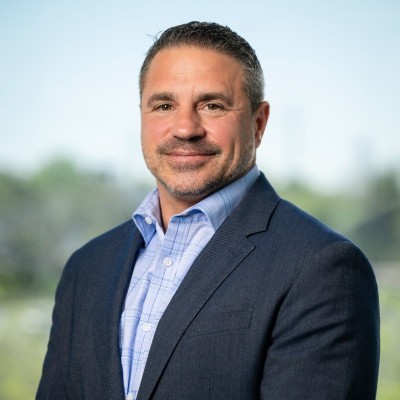
RJ Malyk 0:04
Today on VPN Insights with Chip Kispert, the most underutilized growth lever in the wealth management business, philanthropy.
Chip, take it away.
Chip Kispert 0:15
RJ, thank you.
Well, welcome to the Beacon Insights podcast. Our guest today is Lou D’Addario.
Lou and I go way back and I’ve finally got him on the mic.
0:29
So Lou is CRO for Foundation Source and today he’s going to change the way you think about charitable giving.
Lou, great to have you on.
Lou D’Addario 0:38
Well, thanks for having me, Chip. I appreciate it.
Chip Kispert 0:42
We’re going to cover today a couple different topics.
We’re going to look at why private foundations are one of the most overlooked tools in the advisors playbook.
0:54
Additionally, we’re going to talk a little bit about what the data says about how the ultra-fluent actually want to give and, and what they’re not being told.
1:04
And then we’ll get into some discussion on explaining the different types of philanthropy out there, and Lou will give us some great insight on that.
So how about we just start from the base?
1:20
Lou, give me your back story, right.
I know what your back story, but I, I don’t know that our our listeners do.
Lou D’Addario 1:29
No., Well, thanks, Chip.
So, yeah, I mean, as you know, I’ve been in the, you know, wealth management, wealth technology business for longer than you or I probably would whatever really like to admit.
1:41
But you know, I centered most of my career around building sales teams and selling financial technology products that cater to advisors, really allowing clients to amass wealth for their clients.
And now I’m the chief revenue officer here at Foundation Source.
2:02
So it’s a a bit of a a change in pace from your trading platforms, your performance measurement platforms and your typical turnkey asset management programs to really focusing on what turns out it’s just another really underserved and under known space within wealth management services.
So it’s different.
Chip Kispert 2:26
Yeah, it, it is a little different.
And you know, just listening again to kind of your background, I’m like, he’s really a renaissance man when it comes to wealth management.
Lou D’Addario 2:37
As long as you say it like that.,
Chip Kispert 2:43
So let’s get right into it. Let’s have a couple, you know, I want to dive into Foundation Source publishes real data on how private foundations behave.
2:59
What does it tell us about what high net worth clients actually want from their philanthropy and how far short are advisors falling?
Lou D’Addario 3:10
Yeah. You know, Chip you know, about 2 1/2 years ago, I got approached to look at this business and I really didn’t know anything about philanthropy.
3:21
You know, I grew up a very, you know, average kid and, you know, yeah, we like to help people and, you know, give money where we could.
But, you know, philanthropy is, is not a very known topic.
And people who even do come into money or have money don’t really know what are the options to give money away other than going to church or doing something like that.
3:44
And as they start getting more wealth and want to start leaving legacy and building legacy and really starting to help in a meaningful way, you know, they’re really looking to their advisors to really point them in some direction, and that’s really not happening.
You know, today.
4:05
Its people want to be known for their legacy. They want to be known for bringing their family into it.
It’s really more about doing good than it is about the tax breaks.
You know, most people think that it’s, you know, philanthropy is all about finding the tax breaks, looking for ways to shelter money.
4:28
But if you really talk to most people, you know, only 10% of high-net-worth individuals actually reference tax as their primary motivator for opening a private foundation or doing something philanthropic like a donor advised fund.
So it’s really about the desire to give back.
4:48
You know, I would say one of the bigger changes that is really coming about now is people are moving away from, you know, what we would call checkbook philanthropy, writing a check once and being done.
You know, now it’s more about creating philanthropic programs for themselves, and it’s wanting to now have that impact be measured.
5:12
So it’s not only about the legacy.
It’s really making sure that that money is being put to really good use and it’s getting the most impact into the world that it needs, you know, that they wanted to have.
And that’s really where, you know, advisors are kind of falling short.
Chip Kispert 5:32
Yeah, it’s fascinating to me. We actually use one of your products for some charitable work we do within our firm. And I had this big misconception, right?
5:44
And this is going to be so hard. I think it took me 15 minutes to set up. It was super easy, right?
So, you know, getting over that initial hump, I think is, is a big deal.
5:54
But what it is amazing when I see, you know, the different types of foundations and how they spend and, and what they’re looking to get out of it.
Additionally, I was blown away when I did some research on before this meeting and just the amount of annual charitable giving isn’t, is unbelievable.
Lou D’Addario 6:18
Yeah, it’s up to I believe $592 billion now.
Chip Kispert 6:23
Yeah. And the number I had was 557. So I can see that, that absolutely that growth.
And the other thing I found fascinating how individuals are driving a lot of that, that growth.
Lou D’Addario 6:38
Yes.
Chip Kispert 6:39
Which leads me into the next question and and that is when we look at advisors and their practices, how do you see most advisors using your types of services?
Lou D’Addario 6:56
So you know what, Chip 81% of wealthy people want to engage with their advisors about philanthropy, and only 33% of those people say that their advisors actually engage.
Now, it is mostly because advisors are not comfortable talking to people about things that they themselves are not experts in.
7:24
So advisors tend to stick to the technical side of it, wealth accumulation, meeting financial goals, beating benchmarks and performance.
7:33
But they’re really not getting to the client’s personal side.
You know what, what is their goal, You know, is that to be, you know, known as a philanthropic individual?
Is it something else? It’s really what are their personal goals? What makes them tick?
7:51
Now the advisors that are more well versed in philanthropy, that’s where they’re starting to make some, some really nice impact because now they’re working with those clients and they’re introducing them to the different philanthropic vehicles that are out there.
8:05
You know, there are private foundations and one of the biggest misconceptions is that a private foundation is only for the ultra, ultra wealthy.
You know, the vast majority of foundations are sub $1 million.
8:18
So now don’t get me wrong, it’s certainly not the everyday investors product, but that’s why there’s other vehicles like donor advised funds which can be used.
You know, on our platform, you can open up a donor advised fund with $50.
So philanthropy and giving shouldn’t only be a wealthy person’s game.
8:39
It’s just making all of those tools, those products available for people to use in an easy way.
8:47
You know, until I got involved in this, I had no idea how to open a foundation or a donor advised fund or what a fiscal sponsorship was and what the differences in those products were.
8:57
So it a lot of it’s about education and that is really what we’re looking to do. We’re really looking to get tools in the advisors hand that they can learn.
9:08
You know, first and foremost as education, you know, we won an award based on our advisor education program because we know the biggest barrier to philanthropy is people just knowing what it is and how to do it.
Chip Kispert 9:23
Right. As a sidebar to that with advisors, you getting into philanthropy and for their customers, there’s always been a assets out the back door problem, right?
And you know this as well as anybody.
So does this help in in supporting kind of next gen engagement for these advisors as well?
Lou D’Addario 9:51
So there’s it’s, it’s funny you said that, Chip, yes, you know, advisors in general sometimes shy away from philanthropy because it’s giving money away, it’s less AUM in their eyes.
However, what they fail to realize is 90% of their clients are donors.
10:10
The difference is, is the products that they’re using to donate are not under that advisors book because that advisor never learned the products or doesn’t manage those types of products.
10:22
So for example, our advisors are managing the assets of the foundations, which as we talked about in numbers wise, they’re not small accounts.
They’re far bigger than your average SMA or or individual account donor advised funds.
Our platform allows the advisor to manage every dollar on that donor advised fund.
10:42
So these are, it’s not only an opportunity to actually build AUM, but again, it’s back to what is making people what your first question was, what do people want out of philanthropy?
And it is getting their family involved.
10:57
So as the assets are starting to transfer down to those younger generations, these advisors are missing the opportunity to not only engage in a meaningful personal way that really gets them to connect with their client, but now allows them to build a connection with that younger generation that typically doesn’t necessarily want to work with an advisor.
They prefer to do it all online.
11:21
So well, how it’s making those intros and giving them a tool to manage philanthropy online with that advisor.
Chip Kispert 11:30
You know, it’s interesting because a spin off statistic is that roughly 80% of beneficiaries take their assets someplace else.
Lou D’Addario 11:39
Yeah, that’s very true.
Chip Kispert 11:42
That’s a huge number.
And basically with them growing advisors growing organically it aggressively 2 to 3% a year, that’s a big off, you know, that just can help them keep those assets.
Lou D’Addari 11:58
So you know, it’s, it’s funny, Chip.
Yeah, everyone. You know, when the Robinhoods and the the Robos and, and those alike came along, everyone said the robo advisor is never going to survive.
12:10
And now they weren’t fully wrong.
The robo advisor in its form at that time wasn’t people still need someone to talk to once they accumulate enough wealth.
But what Robinhood with those with those firms are doing is they’re getting into those younger generations.
They’re helping them grow their wealth.
12:30
And once they get settled in, the likelihood that they leave Robinhood to go somewhere else is is isn’t big.
So now you’re going to see at some point big assets going into those platforms and that’s where, you know, I think having the relationships with those younger generations can really help potentially hold on to those assets.
Chip Kispert 12:53
Yeah, I absolutely agree with you.
And you know, Robinhood and TradePMR just came out with their advisor, advisor referral for a lot of those single accounts that are in the Robinhood framework.
So you are spot on, spot on.
13:09
Now, listen, I need your help, right?
So as you said, people can get intimidated by really the, tools that are out there.
Can you walk us through, you know, in, in the next few minutes, a one-on-one on the different types of tools that you guys support and those that support charitable giving?
Lou D’Addari 13:35
Yeah, absolutely.
So you know, as I said, you know, we’re we’re really building that one stop shop place where you can pretty much, you know, get all of your charitable needs, you know, under one roof.
But like you said Chip, a lot of people just don’t understand what the options are and why people use different things.
13:50
So it really comes down to it. It’s really very, very simple.
First and foremost, private foundation. There’s a lot of benefits to it.
You know, you have huge advantages and control over where your money goes.
14:04
You can give to an individual or if there is, you know, a, a, a mass flood event, wildfires, whatever it might be, you can choose to give to individuals through what we call an applications and outcomes platform.
14:18
So you can give grants through that. You can hold really complex assets.
So, you know, we have clients that have giant pieces of real estate.
14:27
We have one client that has a camp that they run for the scouts and the income from that camp all goes back into the foundation.
So the camp is an asset of the foundation.
The camp generates revenue for the foundation, which allows it to sustain.
So it comes down to what your goals are, what is going to be held within that instrument.
14:52
And a lot of it’s what kind of legacy do you want to leave?
Do you want your name all over it? Do you want to be anonymous?
And when it comes to things like that, that’s where don’t advise funds are really good.
15:03
You know, you have less control because once you give the asset to that DAF, to that charity, it is now their asset, it is no longer yours.
So you don’t have control over what’s held and, and things of that nature.
And you can advise them on where you want to give the money, but they don’t necessarily have to give it to the exact charity that you want them to or to the exact ’cause that you want them to.
15:28
So that is, you know, some of it and then it comes down to taxes.
You know, foundations have different tax advantages than a donor advised fund.
So cash for example, donor advised funds have a much better tax benefit than a foundation.
15:43
So in a lot of cases it may not be one or the other, it may be both, both might be the answer.
So we call it a sidecar DAF.
So a lot of our foundation clients are now opening up donor advised funds with us as well because it allows them to take different tax benefits.
16:01
It also allows them to, if they’re not meeting their minimum distribution requirement, it now allows them to give to the DAF and at least put it there until they know what they want to spend.
But then they don’t end up getting the penalties from the government for not meeting their minimum distribution requirements.
So a lot of times it’s not one or the other, it, it is both.
Chip Kispert 16:22
So one other kind of sidebar to that, especially as I held a compliance roundtable a week ago, how does compliance feel about this?
What’s, the interaction with compliance?
Lou D’Addari 16:35
You know, compliance struggles a little bit because as you know, when it comes to investment policy statements and things of that nature, when you give it to a DAF, well, it’s the, it’s the, it’s the charity’s assets.
16:50
So they don’t necessarily have to sign an investment policy statement because they have their own investment policy statements that they adhere to.
16:58
Also in giving tax advice and things of that nature, you know, a lot of advisors really aren’t equipped to know what the nuances of the different tax regulations are and what the different nuances and rules are with a private foundation and expenses and things of that nature versus just giving to adapt.
17:17
So, you know, compliance is starting to catch up, but that is also why people hire firms like us, because it is a very nuanced niche business that even most CPAs will admit to their clients.
You know, I, I know what the basics are, but you really should go to somebody who really understands the intricacies and the rules behind that because it’s different.
Chip Kispert 17:44
Lou, help me with, with one thing here.
Let’s focus on the advisors, right? And some of the benefits that they get out of it.
We talked about, you know, the benefit of getting to the younger generation.
17:59
But advisors that are that really put philanthropy into their business model.
What happens with their with their practices?
You know, what’s your average variation been?
Lou D’Addari 18:11
I could say the advisors that we have seen shifting their businesses more to a philanthropic practice have extremely sticky assets.
You know, you’re, you’re now working with people on a different level.
It’s no longer about the money, it’s about the relationship.
18:30
And you know, Chip, you buy things all the time, right?
You buy things from people you like and people you trust.
So I think once they gain that trust in that relationship, those assets become sticky.
It becomes a lot less about performance. It becomes a lot less about everything. It really becomes about, you know what, I like Chip.
18:50
So I’m going to keep my money with Chip.
And you know what, I’m going to tell my kids they should keep their money with Chip because Chip’s trustworthy and Chip’s helping our family do good.
19:01
And on the other side of it, you know, those advisors also feel better about themselves.
You know, they’re not pushing just product.
They are actually making a meaningful change to other people’s lives beyond their client, their clients success and the success they’ve helped their client achieve is now trickling down into areas of the world that it normally wouldn’t have.
19:31
You know, and a lot of that is being driven just by the markets.
You know, markets are down, which means typically governments tend to shut down and restrict assets and money flow.
So you know, what used to be a lot of programs that relied on the government are now relying on private philanthropy.
19:55
So those advisors that stay astute and aware of that, you know, they’re the ones that are going to be successful.
But to do that you really have to implement.
Platforms and systems just like, you know, just like you’re trading in your, your, your asset management business, you can’t run those businesses without trading tools, without reporting tools.
20:17
You know, you need all of that to switch gears into running a more philanthropic process, you know, platform.
Chip Kispert 20:26
Lou, question for you, right? You’ve like me, you’ve been in the industry for a minute.
When you look back, right, where is, you know, where is philanthropy versus some of the past new things that have come down the table or come down the pipe?
Lou D’Addari 20:51
Sure. Well, you know, Chip, you go to as many conferences as I do and you know, it’s you know, back in the day it was about UMAs.
They were the new hot dot. It was about MSAs, SMAs, and all the other acronyms that you could think of.
21:05
But how many times have you been to a conference where mainstage was someone talking about philanthropic solutions and how they could benefit your client, your practice?
You know, it goes back to that advisor education piece, Everything advisors attend philanthropies not really mentioned.
They’re learning about financial products, not necessarily about this.
Chip Kispert 21:28
You know, it’s, that’s a great point. Absolutely a fabulous point.
21:33
I’m going to shift completely to a different subject here, and that is we, I always love to hear about who you admire within our industry.
And that can be people that can be firms. I’m really curious about a couple people that you follow.
Lou D’Addari 21:53
Yeah, Yeah, I, I mentioned one already.
I have a lot of respect for what the Robinhood and TradePMR guys are doing.
22:01
You know, I think they took a segment of the market that frankly nobody wanted, you know, nobody wanted $1000 SMA account, you know, and they took that, they serviced that group of people, which there is a lot of them.
22:18
And now those accounts, their average account size continues to grow and grow and grow.
And they’re offering more and more services away from just kind of that basket of securities to, you know, offering real investment advice things that is largely powered by AI and other things that are coming down the pike.
22:37
I look at like Morgan Stanley and JP Morgan, you know, everyone says the wire houses are dead.
Not really.
If you look at the, the actual growth dollars, not percentage based of course, a billion dollar firm, if they grow to 2 billion, wow, 100% growth.
22:54
But on a dollar for dollar basis, you look at the things that JP Morgan and Morgan and Morgan Stanley are doing, you know, they’re servicing their clients with everything from philanthropy to asset management to banking to retirement.
So, you know, I look at them and I, I, I see them doing some pretty good things.
Chip Kispert 23:12
That’s fascinating.
I love, you know, you actually hit two different two different areas there with Robinhood and TradePMR.
Really their their tech influence is a big deal in what they do and they have democratized investing quite well.
23:30
And then I can’t tell you how many times I’ve I’ve heard the wire houses are dead over my career.
And they are certainly not, my sister-in-law actually is a, is a advisor with one of those wire houses.
And you know, that is a, they do a great job. They do a great job for their customers.
23:50
So all right, we’re jumping into the final here.
I like to give you 60 to 90 seconds to share with us BPN insights, All right, and no scripts, no safety net.
24:07
I would love to hear something that you’re thinking about future of philanthropy, the industry, either of those. The floor is yours.
Lou D’Addari 24:16
Sure.
24:17
Well, I’m sure every single person that you have on this podcast says probably the same thing.
I think AI truly is going to be one of the biggest drivers of frankly success of our business.
24:35
You know, I think where we talked about advisors just not feeling comfortable talking about philanthropy, for example, you know, the the AI agents, they know it, they’re more than comfortable to propose it.
So, you know, I think there’s areas like that where I don’t think an advisor is ever going to go away, nor do I ever think an advisor should.
24:54
I think the advisor plays a massively important role, but I think the advisor having the tools with AI to be able to surface new ideas, crunch through that data way faster and frankly better than any of us humans really can.
I think that’s really going to be a game changer.
25:12
And I think that’s really what is going to drive not only philanthropy, but it’s also going to drive the way that the whole financial services business operates going forward.
Chip Kispert 25:22
100% agree with her. 100% agree that great thoughts.
So Lou, for advisors who kind of had an aha moment or, you know, wealth firms and want to bring this into their practice, where do they find you?
Lou D’Addari 25:39
They could find us on the web.
They could find me on LinkedIn, they could find me on your network of providers.
Chip Kispert 25:45
That’s correct.
Lou D’Addari 25:48
But no, you know, we’re we.
One thing I, I, I’m very proud of with Foundation Source is we have an enormous amount of free information on our website.
25:59
Things like pieces on the advantages of a donor advised fund versus a foundation and vice versa.
Why advisors should think about philanthropy within their practices.
We don’t charge a thing for it.
26:12
We want people to get familiar with philanthropy because at the end of the day, it is all about changing the world and we’re trying to do our part.
Chip Kispert 26:20
Lou, thank you for being on the VPN Insights podcast. Really enjoyed having you.
Lou D’Addari 26:25
Thanks for having me, Chip. I appreciate it. Always good to see you.
Chip Kispert 26:29
RJ, that was a fun call with Lou.
RJ Malyk 26:32
You hit a topic that really was something I never really thought of.
You know, charitable giving for me has always been a place that I, you know, is important to me or to my wife.
And a tax write-off.
26:45
That’s, that’s basically how I looked at it.
And it’s probably wrong, but I want to say the intention is good to support the charity. The tax write off is something, well, that’s a benefit for me.
Chip Kispert 26:59
That’s right.
Well, you know, it’s interesting because in my mind, I really have 3 takeaways from, from our conversation with Lou and a couple I hadn’t really thought about before.
But I look at #1 is that advisors that incorporate philanthropy into their practice, they’re also having, that’s a retention strategy, really not a nice to have, right?
27:23
So I look at these advisors that are ignoring the charitable giving conversation and you know, they, that’s just, they need to have that in that conversation because ultimately they’re leaving AUM referrals and multigenerational relationships on the table.
And they, you know, the bottom line is that the facts are that clients who give through their advisors stay with their advisors.
It’s pretty simple.
27:56
The next set, the number 2 I’d look at is, you know, private foundations are not just for the ultra-wealthy.
Lou laid that out pretty clearly.
That 5 million threshold is really a myth.
28:12
With the right partner, a client with 250,000 in charitable intent can establish a private foundation and keep those assets under the advisors management.
You know, that’s probably a conversation most advisors haven’t had and even, you know, smaller numbers, 10, you know, 10,000, whatever that may be that can be woven into customer work.
28:38
And then finally, I look at, you know, the great wealth transfer is a philanthropic transfer too.
We’ve seen a lot of money move in the last two decades.
I think it’s an estimated 84 trillion will change hands between, excuse me, the next two decades, 84 trillion will change hands between generations.
That’s a significant portion of money.
29:07
So, you know, advisors who aren’t part of that, that conversation won’t be a part of the relationship.
So those are the three takeaways I took.
29:16
Did you have any additional thoughts?
RJ Malyk 29:19
No, you know, I basically my take-away was what I said just before you started your takeaways.
Chip Kispert 29:25
All right, so in in closing, what a great conversation with Lou today.
You know, and you know, I learned philanthropy is not a sidebar, it’s really a gross strategy that most advisors haven’t figured out.
And those who have have been pretty successful with it.
29:44
So that’s a wrap.
And but as always, before I leave to quote Ted Lasso, be curious, not judgmental.
This is Chip Kispert, wishing you well until our next edition of BPN Insights.
RJ Malyk 29:58
Excellent.
Thanks, Chip, and thank you for checking out the BPN Insights Podcast, which is brought to you by Beacon Strategies, LLC.
For more information, visit beaconstrategiesllc.com.
30:10
Until our next VPN Insights podcast for Chip Kispert and everyone at Beacon Strategies, I’m RJ Malyk.